
Why Learn Blockchain in 2026?
Even as interest in digital trust systems grows, businesses are increasingly looking for professionals who grasp the principles of distributed ledgers. Because of expanded funding into token-based services, talent fluent in secure code logic gains importance throughout tech markets. Where innovation shifts toward peer-to-peer models, training in verified transaction protocols becomes more relevant. Although many regions lack structured learning paths, focused study in southern India offers access to evolving standards. As industries restructure around open networks, preparation through hands-on modules supports long-term relevance.
About the
Blockchain
Course

Starting with fundamentals, this program explores blockchain using a gradual method centered on shared record systems, secure coding techniques, and interactive contracts instead of generic terms.
Understanding develops via theory paired with hands-on tasks, allowing knowledge to form through direct experience rather than passive review. Organized as a cohesive journey into Web3 development, it guides learners from simple ideas toward working solutions on real networks.
Clarity underpins every section, allowing skill development to progress without relying on prior knowledge. Each unit builds on previous content without making assumptions about earlier experiences.
What You Will Learn

Blockchain Fundamentals
This module opens with a look at distributed ledger technology, followed by core ideas behind decentralization, ways agreement is reached in networks, along with steps ensuring blocks are properly confirmed as key layers supporting blockchain operations.

Smart Contracts
Among training components, one emphasizes digital agreements that run automatically across distributed ledgers, reducing reliance on third parties. Through structured modules, learners explore how code defines terms, triggers outcomes, and activates functions.

Ethereum & Solidity
From Ethereum and Solidity instruction, students examine how the Ethereum blockchain functions while crafting smart contracts with the Solidity language. Building code by hand forms part of hands-on tasks, followed by validation and launch within test environments.

DeFi & DApps
Decentralized exchanges form one part of the DeFi Development Training module, where mechanisms like liquidity pools appear alongside staking setups governed by code. Instead of central oversight, these systems rely on predefined rules embedded in smart contracts.
NFT Development
One way to start learning about NFTs is through a course covering token standards alongside how tokens are created on blockchains. Moving forward, setting up marketplaces and handling data tied to assets becomes part of the structure.

Web3 Integration
Here begins an exploration into linking smart contracts with user-facing designs through Web3 tools and digital wallets. The bridge between code and interface marks a shift in conceptual knowledge that now operates in live environments.
Course Curriculum Breakdown
Blockchain Basics
Exchange verification occurs progressively within shared record systems, with blocks being created through sequential steps linked by secure references. Their validity stems from collective consensus, not from a central authority.
Cryptography & Consensus
Learning begins with hashing methods, then moves to digital signatures alongside various encryption approaches. Security principles unfold through examination of Proof of Work, followed by exploration of Proof of Stake.
Smart Contract Development
Students start by writing smart contracts in Solidity, deploying them only after compiling and thoroughly testing them within an Ethereum-like environment. Exercises emphasize error detection, performance refinement, while maintaining code integrity.
DApp Architecture
Beginning with core concepts, this section guides users through creating apps that link user interfaces to blockchain-based logic. Instead of centralized servers, interactions flow via digital wallets, managed carefully throughout each step.
Deployment & Security
Through practice, learners apply smart contract deployment across test nets followed by mainnets using verified coding methods. Security flaws like reentrancy exploits appear alongside overflow issues, each explored via documented incidents. Knowledge of launch procedures combined with defensive techniques supports robust application outcomes.
Tools & Technologies Covered
Ethereum
Behind most self-executing agreements on blockchains sits Ethereum, shaping how code runs without intermediaries. Payment for computational work follows a unique internal economy, often called gas.
Solidity
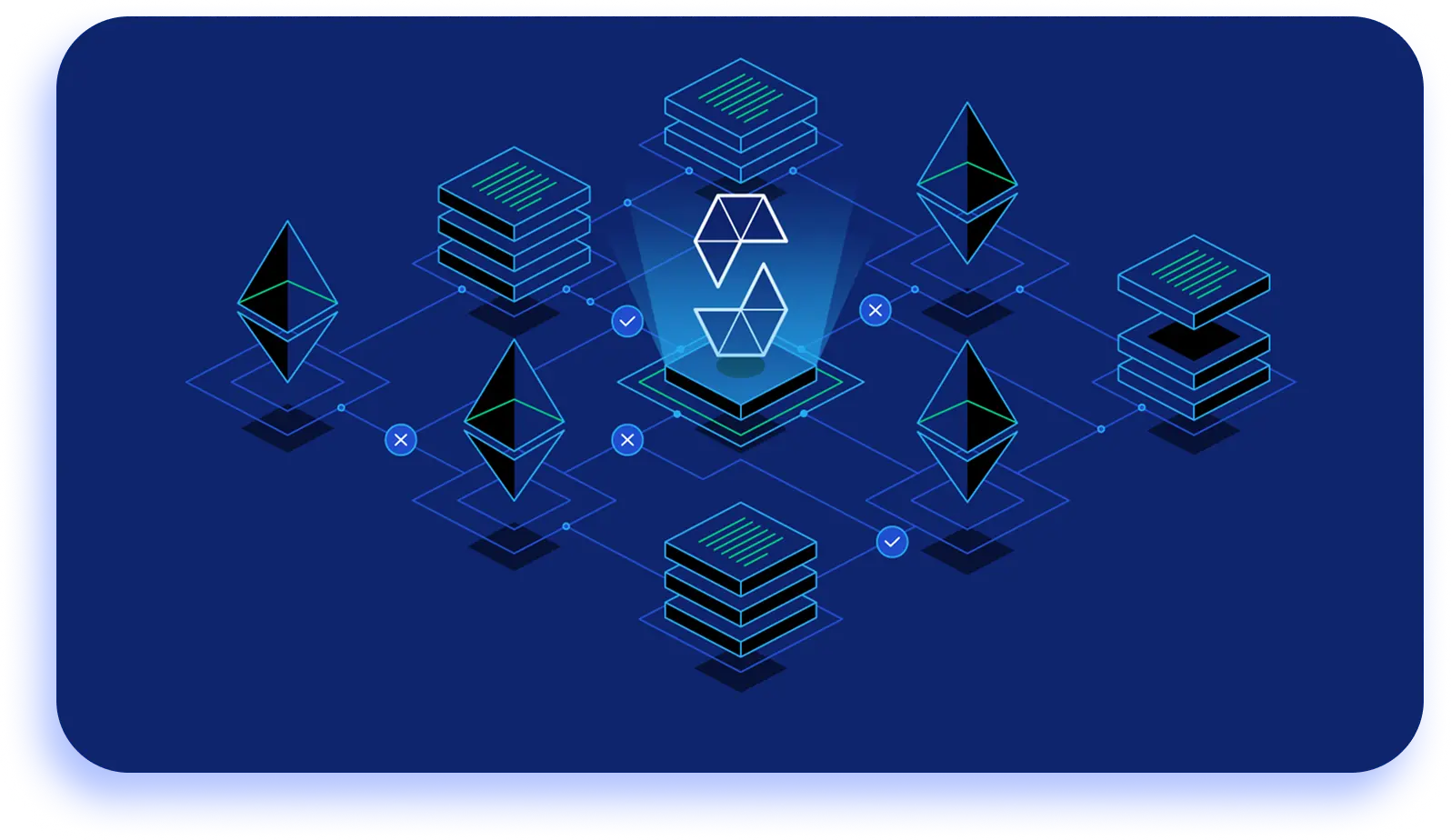
A programming language that demands deep understanding and careful consideration to master, where students gain expertise by building dependable and efficient systems. The emphasis lies on clarity, structure, and error prevention, fostering natural resilience over time.

Remix
Within the browser, Remix functions as a development environment for writing Solidity smart contracts, offering real-time feedback on code structure and logic. Practice unfolds through immediate deployment in controlled test settings.

MetaMask
Although often seen as just storage, MetaMask serves also as a bridge linking standard browsers to distributed ledgers. Setup procedures involve generating secure access keys before any activity begins.
Hardhat / Truffle
Although Hardhat supports modern tooling, Truffle offers established workflows for building smart contracts. Where one enables quick compilation, the other allows thorough testing across network conditions.
Ethereum
Behind most self-executing agreements on blockchains sits Ethereum, shaping how code runs without intermediaries. Payment for computational work follows a unique internal economy, often called gas.
Solidity
A programming language that demands deep understanding and careful consideration to master, where students gain expertise by building dependable and efficient systems. The emphasis lies on clarity, structure, and error prevention, fostering natural resilience over time.
Remix
Within the browser, Remix functions as a development environment for writing Solidity smart contracts, offering real-time feedback on code structure and logic. Practice unfolds through immediate deployment in controlled test settings.
MetaMask
Although often seen as just storage, MetaMask serves also as a bridge linking standard browsers to distributed ledgers. Setup procedures involve generating secure access keys before any activity begins.
Hardhat / Truffle
Although Hardhat supports modern tooling, Truffle offers established workflows for building smart contracts. Where one enables quick compilation, the other allows thorough testing across network conditions.
Course Duration & Learning Format

Online / Offline
Learning options at our Blockchain Training Institute include web-based and classroom settings, fitting varied learner needs with guided discussions, questions are resolved during live classes with participants work together.

Weekend and weekday classes
Weekday and weekend options are available, designed around the varied overlaps of learners and those employed full-time. Following a uniform syllabus, every session includes hands-on practice as part of the flow.

Live projects
Through the blockchain tasks, learners engage with realistic setups mirroring actual field conditions. Professional validation gained while academic learning meets authentic project demands.

Mentor support
Throughout the training sessions, dedicated mentors offer steady direction. Technical issues become clear through regular check-ins. Project reviews happen consistently, guided by experienced advisors.
Certification & Career Support
Course completion certificate
The Blockchain Certification Course credential, granted upon completion, verifies practical proficiency. Due to its widespread recognition, it gives job candidates a competitive edge during applications.
Resume building
Resumes become more effective when blockchain efforts are clearly defined, and a well-organized structure highlights key projects to capture hiring managers attention. Smart contracts appear more prominent when presented with precision.
Interview preparation
Through mock interviews paired with technical talks, learners align with actual hiring standards at blockchain firms. Questions commonly posed during recruitment become clearer through repeated exposure.
Placement assistance
Our placement assistance helps learners secure opportunities with companies looking for blockchain developers, accelerating job transitions through industry partnerships and easing the move from training into employment.
Who Can Enroll?




Key scopes of learning a Blockchain Course

Why Choose Our Blockchain Course?
At Osiz Labs, we provide structured, industry-focused blockchain training with practical exposure and hands-on project implementation. Recognized as the Best Training Institute in Madurai, we emphasize real-time development, smart contract deployment, and Web3 fundamentals aligned with current market demand. Our Blockchain Course is delivered by experienced trainers and includes placement assistance, supporting career readiness in blockchain development.
FAQ
Connect with our experts for in-depth technical consultations to resolve your unanswered questions
